
The Ultimate Guide to 5W-20 Motor Oil: What It Is & Why Your Car Needs It

The Ultimate Guide to 5W-20 Motor Oil: What It Is & Why Your Car Needs It
Pop your car’s hood, unscrew the oil cap, and there’s a good chance you’ll see those five familiar characters printed right on top: 5W-20.
If you’re not a seasoned gearhead, choosing the right motor oil can feel like trying to read an alien language. You might be wondering, "What exactly is 5W-20 used for, and why does my mechanic insist on it?"
Today, we are stripping away the confusing mechanical jargon to give you a clear, everyday guide to 5W-20 motor oil. Let’s dive in!
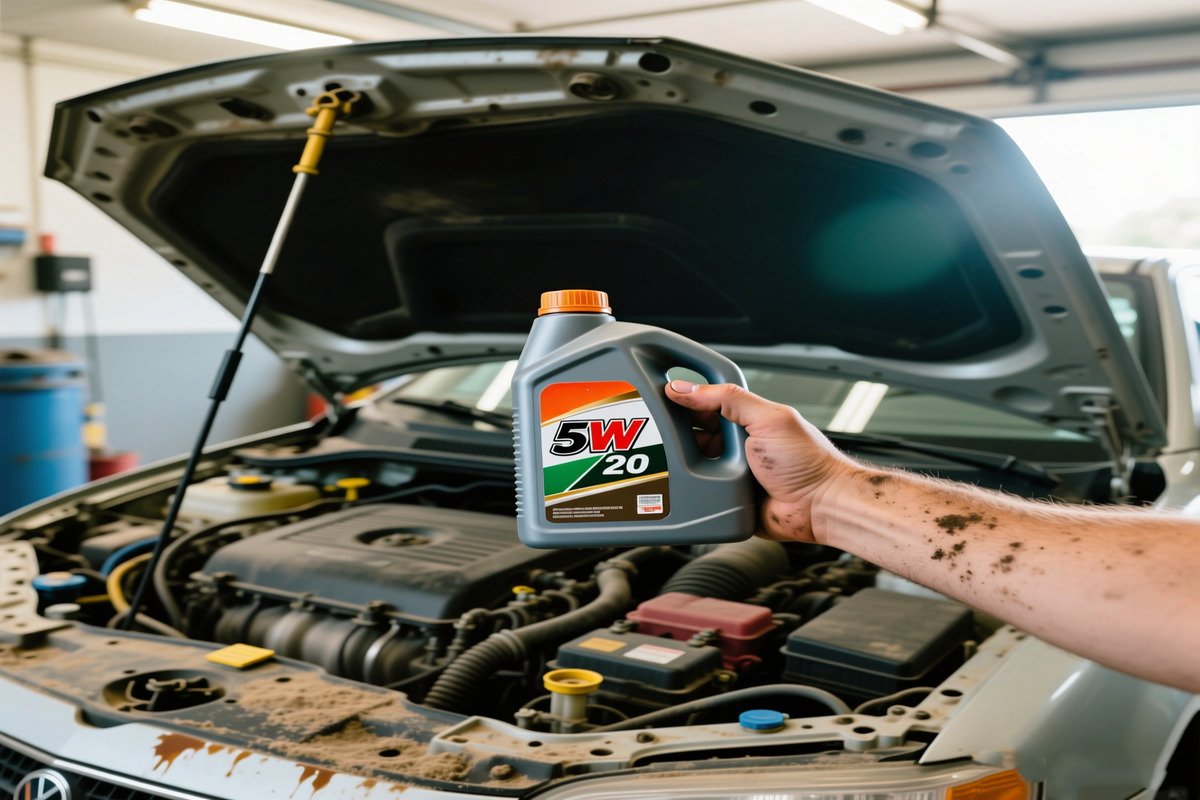
Decoding the Label: What Does "5W-20" Actually Mean?
Before we talk about why you need it, let's decode what you're actually pouring into your engine. "5W-20" is a multi-grade viscosity rating set by the Society of Automotive Engineers (SAE).
Think of viscosity as the oil’s "thickness" or resistance to flow.
- The "5W" (Winter): The "W" stands for Winter, not weight! The number 5 indicates that this oil is very thin and flows extremely well in freezing temperatures.
- The "20" (Operating Temperature): This represents the oil's thickness when your engine reaches its normal, hot operating temperature (around 212°F / 100°C). A rating of 20 means it remains relatively thin even when things get hot.
> The Short Answer: 5W-20 is a thin, highly fluid motor oil designed to protect your engine in the freezing cold while maximizing efficiency when it's running hot.
Why Do Modern Cars Love 5W-20?
If you drive a modern Honda, Toyota, Ford, or Chrysler, 5W-20 is likely the lifeblood of your engine. But why the shift toward thinner oils?
1. Squeezing Out Every Drop of Fuel Economy
The thicker the oil, the harder your engine has to work to pump it—like trying to stir cold molasses. Because 5W-20 is thinner, it reduces the internal fluid friction (drag) inside the engine. Less drag means your engine uses less energy, which directly translates to better gas mileage and lower emissions.
2. Tight Modern Engineering
Today's engines are marvels of precision manufacturing. The gaps between moving parts, like piston rings and cylinder walls, are microscopically tight. Traditional, thick oils (like a 10W-40) struggle to squeeze into these tiny spaces quickly. 5W-20 slips right in, providing instant lubrication where it matters most.
The Cold Start Myth: Saving Your Engine in the Winter
Did you know that up to 70% of engine wear happens the moment you turn the key?
When your car sits overnight, all the oil drains down into the oil pan. When you start the car on a frosty morning, you want oil to travel to the top of the engine as fast as possible to prevent metal-on-metal scraping.
This is where 5W-20 shines. Because of its incredible low-temperature fluidity, it reaches your engine's critical upper components in mere seconds, drastically reducing dry friction and extending the life of your engine.
Synthetic vs. Conventional 5W-20: Is It Worth the Upgrade?
You’ll find 5W-20 in conventional, synthetic-blend, and full-synthetic varieties. While they all meet the basic 5W-20 viscosity grade, full synthetic is the ultimate upgrade.
- Better Protection: Full synthetic oils are engineered in a lab to have uniform molecules. They handle extreme heat without breaking down and turning into engine-killing sludge.
- Longer Lifespan: While conventional oil might need changing every 3,000 to 5,000 miles, a high-quality full synthetic 5W-20 can comfortably push 7,500 to 10,000 miles (always check your manual!).
If you have a modern engine with a turbocharger or direct injection, full synthetic isn't just an option—it's a necessity.
A Word of Warning: It’s Not a Magic Potion for Older Cars
As great as 5W-20 is, it is not for everyone.
If you drive an older, high-mileage vehicle that was originally designed for 10W-30 or 10W-40, do not switch to 5W-20 to try and save on gas. Because the clearances in older engines are wider, this ultra-thin oil can slip past aging seals, leading to low oil pressure, annoying leaks, and increased oil burning.
The Bottom Line
5W-20 motor oil is a brilliant compromise between modern engineering, environmental efficiency, and cold-weather protection.
Your Takeaway Action: The next time you’re due for an oil change, pop open your glovebox and check your Owner’s Manual. If the manufacturer calls for 5W-20, you now know exactly why it's the perfect match for your machine.
Have any questions about what oil your specific car needs? Drop a comment below, and let’s talk cars!
